Future of the Ojibway Correctional Facility at issue
Closed since 2018
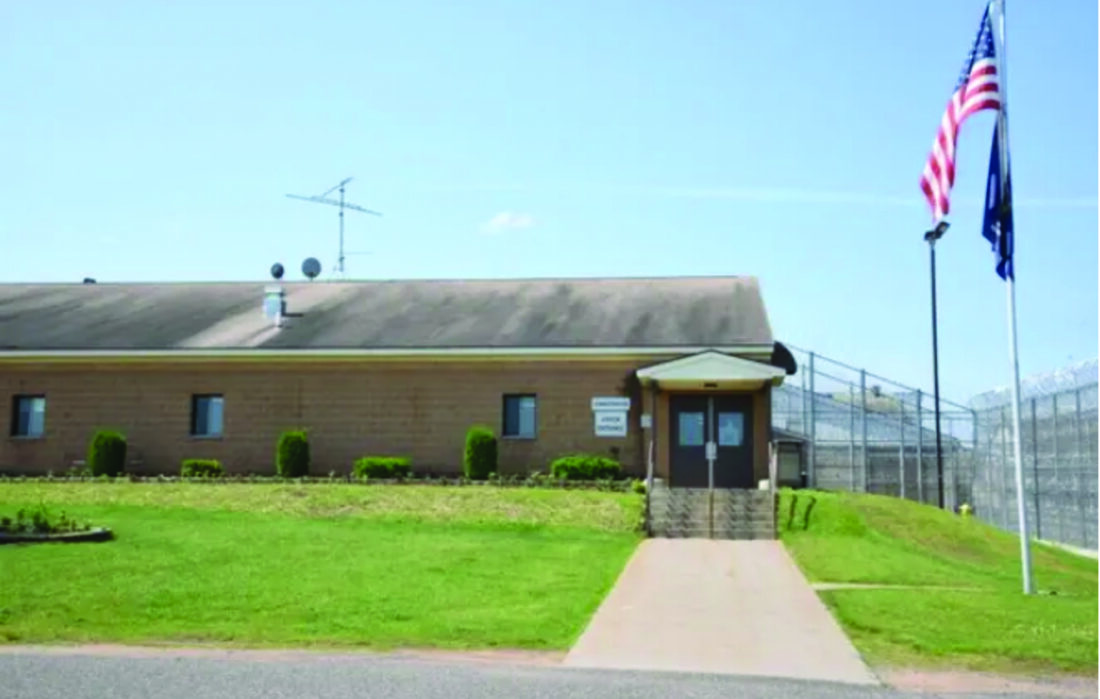
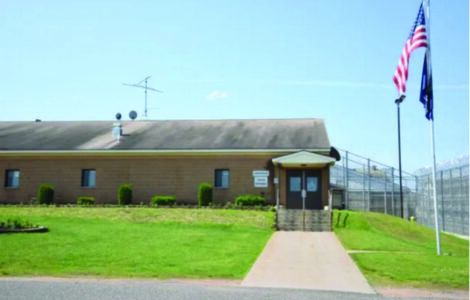
The Ojibway Correctional Facility in Marenisco has been closed since 2018. Now, a pair of very different proposals have come to the fore for suture use of the facility. (Courtesy photos)
MARENISCO — In 2018, the Ojibway Correctional Facility in Gogebic County’s Marenisco Township was closed by the Michigan Department of Corrections, economically devastating the region and putting many people out of work. Over the years, several proposals for what to do with the property have cropped up but none have stuck and the property has been sitting vacant and for sale by the Michigan Department of Technology, Management and Budget since 2021.
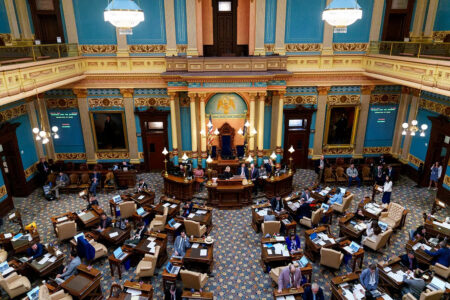
In August, state representatives Gregory Markkanen of the 110th district and Joseph Fox of the 101st district offered a resolution urging the federal government to purchase the Ojibway Correctional Facility and turn it into a detention and deportation center for the United States Immigration and Customs Enforcement.
“Since the beginning of President Trump’s second term in office, arrests made by the United States Immigration and Customs Enforcement in Michigan have increased by 154 percent,” said the resolution, designated House Resolution 151 for the year 2025. “As the number of arrests continues to rise, so does the need to have more space to hold detainees.”
The resolution was referred to the Committee on Government Operations, but has yet to be scheduled for a vote.
In opposition to Markkanen and Fox’s resolution is a different proposal for what to do with the site, detailed in a white paper written by Katie LaCosse, Policy and Resolutions chair for the Houghton Democratic Party. The white paper “details the strategic conversion of the shuttered Ojibway Correctional Facility in Marenisco into a state-of-the-art psychiatric hospital,” said a press release written by LaCosse.
“This proposal is about more than just transforming existing infrastructure,” said LaCosse. “It’s about transforming a former place of incarceration into a center of clinical excellence, thereby showing Michigan’s priority is about healing Michiganders and building a healthier, safer state.”
LaCosse cited a shortage of psychiatric beds in the Upper Peninsula and in Michigan, stating that “the current system, particularly in the Upper Peninsula, relies on jails and emergency rooms to house individuals in crisis. This is not only ineffective but a costly, inhumane and inappropriate way to help someone with a mental disorder.”
A 2024 study by the Treatment Advocacy Center reported that the state of Michigan currently operates at just 19 psychiatric beds per 100,000 residents, far below the Treatment Advocacy Center’s recommended minimum of 30 beds and optimal recommendation of 60 beds per 100,000 residents.
“Beyond addressing the chronic shortfall in inpatient psychiatric care availability, this project serves as a catalyst for economic revitalization of Gogebic County since the facility’s 2018 closure,” said LaCosse’s press release. “By establishing a state psychiatric hospital, Michigan can create a new economic anchor, and generate hundreds of high quality jobs for healthcare professionals, administrative leaders, and essential support staff.”
LaCosse’s white paper has been formally endorsed by the Houghton County Democratic Party, the Baraga County Democratic Party, the Gogebic County Democratic Party, Keweenaw Indivisible and Northern Indivisible. The initial request made to the state of Michigan is that a feasibility study be conducted to determine the next steps.
“Community members wishing to express support can contact their state representative and state senator,” said LaCosse.