
Trending
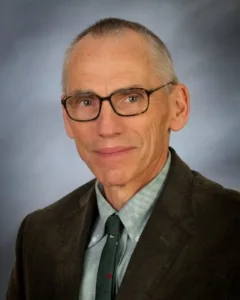
HOUGHTON - Addiction Medicine Physician Dr. Kirk Klemme is will give a public presentation focusing on addiction prevention, treatment, and recovery. Klemme’s “Talk with a Doc” presentation, titled “Let’s Talk About Addiction,” will take place at 6 p.m. Tuesday in the lobby of the Aspirus Clinic in Houghton.
While Klemme provides peer-facing advocacy and expert commentary on public health initiatives, such as promoting responsible pain management and opioid awareness, he said his upcoming presentation is intended for lay people and will include a number of related topics, including various forms of addiction and how to recognize warning signs.
"We're going to touch on the opioid crisis but just minimally," said Klemme. Because there is already a level of public awareness on the crisis, he will use it as an introduction to a broader topic. "I'm going to try to expand it out to other forms of addiction, other forms of addictive disorders, if you want to use that term," he said.
He will then try to relate that to things people may have experienced in their own lives to raise self-awareness, he said, and to ask questions like: "Hey, what's going on here? What are some things I need to watch for in myself or in others that are starting to tell me 'I'm getting into trouble here, maybe I need some help,' some things to watch for."
Klemme said he also regularly discusses the core of addiction. "One of my common themes that I often talk about is that addiction is rooted in the reward system, which is our brain telling us we want more and more of this," he said. "It's initially meant for survival. It's for eating and drinking which are requirements of how we have to survive."
Klemme said he regularly discusses how commercial interests exploit the brain's reward system, leading to addiction, and discuss the role of shame in perpetuating addictive behaviors. "What has happened is commercial interests have learned to tap into those things, which just suck us in," he said, "and they suck us in and we might not realize how they suck us in."
Addiction can take on many forms, including substance abuse like drinking and smoking and drug use, said Klemme. There are also behavioral addictions, such as gambling, overeating, video gaming and other compulsive technology use, which can also negatively impact a person's quality of life. With treatment, people truly can thrive and live their best life, he said.
"Alcohol, illicit substances, opiates and all that, those are for real, but those are just the tip of the iceberg," he said. "There are all sorts of other things. Food, gambling, pornography, social media, cell phones, shopping, just television in general. Our society is geared to just do that, because guess what: people make money from it."
Having some awareness of how these operate leads to a deeper understanding of addiction and addictive behavior is a major element in avoiding addiction, or recovering from it, he points out. "The other thing I want to emphasize is that we've all got something like this. Everybody's got some place that we're not comfortable in," he said.
Klemme focuses on what he calls three pieces of recovery -- Medical care, which may include prescription medications to manage physical withdrawal and prescribing anti-craving medications, along with professional counseling focusing on psychological behavior modification and processing trauma, and peer support groups, such as Alcoholics Anonymous (AA) and SMART Recovery. These programs are devoted to reducing isolation, breaking down social stigma, and sharing lived experiences that a doctor cannot replicate in a clinic. These groups hold local meetings, he said. Support groups help get rid of personal shame and stigma around recovery and addiction.
Recovery requires significant personal work, he said, including overcoming stigma and shame and working on situations people find themselves in. "Look at it, be honest about it. Don't let somebody else own you," he said. "What do I need to do about being honest and being accountable to myself, and accepting of myself?" Accountability and acceptance are key, said Klemme.
"Acceptance of others, and most importantly, acceptance of yourself, your circumstances, acceptance of consequences and all of that - without buying into the stigma."
Tomorrow’s event is free, The event is free and open to the public, but registration is requested. To register or learn more, call 906-337-6541 or visit aspirus.org/classes-events.