
Newcomers join Hancock race
Osborn, Pizzi to face council incumbents

Zack Osborn
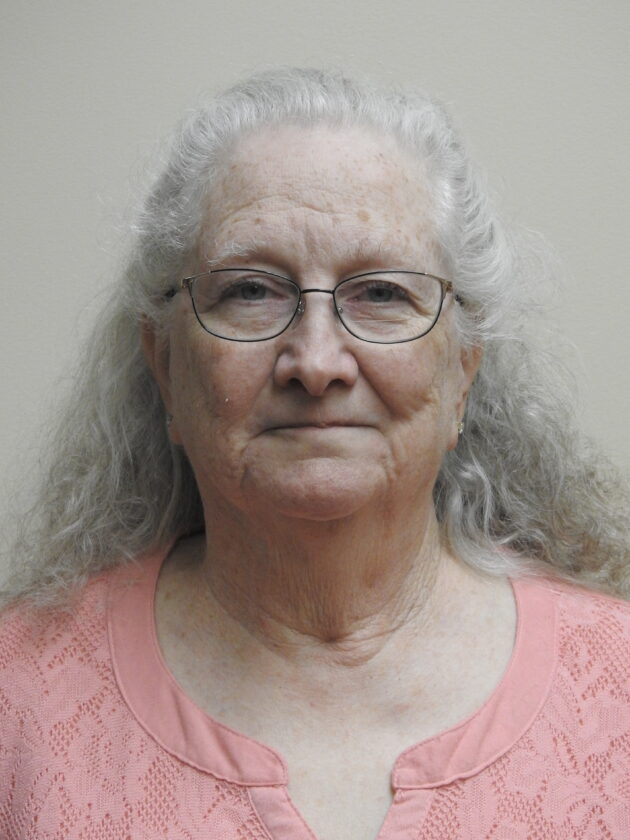
Margo Pizzi
Zack Osborn
Margo Pizzi
Trending
HANCOCK -- Two newcomers are part of the field for Hancock's four at-large council seats.
Zack Osborn and Margo Pizzi are running in November's general election, which also includes incumbents Paul LaBine, Lisa McKenzie and Whitney Warstler. Michael Lancour also appears on the ballot, but is not running because of a conflict with his position on the Hancock school board.
Zack Osborn
Osborn moved to the area a couple of years ago when his wife entered the Ph.D. program for analytical chemistry at Michigan Technological University. He also wanted to be an educator; he's now teaching baking, science classes and Lego robotics through Kaleidoscope Keweenaw Alternative Education, which services home-schooling families in the area. Osborne also has an independent business for outdoor science and environmental lessons, including a mushroom workshop at the Portage Lake District Library. He also sells hydroponic microgreens and items at the Hancock farmer's market.
He decided to run for the council because he saw Hancock as being at the same point of his hometown of Ramona, California -- a small city on the verge of becoming a larger one.
In talking with residents, he's noticed common themes: Adding more businesses downtown. More daycare services. Keeping the rural atmosphere that drew many of them to the city in the first place.
Using growth as the main metric for success could be dangerous for the city, he said. He used the example of a 5,000-employee Tesla factory coming to downtown; while it would improve tax revenue for the city, much of that business could be lost to surrounding areas. And rising property values wouldn't necessarily benefit senior residents on a fixed income, who intend to stay in their homes, he said.
"We don't have an economic growth issue, we have a market share issue," he said. "If just a fraction of the business that was lost to Walmart on a daily basis were to be coming through Hancock instead, we wouldn't need to increase our population by a single person."
He said he would like to see the city's resources put not only into beautification and bringing businesses to downtown Houghton, but also increasing public transit between Hancock and Michigan Tech.
Hancock's Downtown Development Authority recently purchased the former Risto's Hardware building on Quincy Street. Osborn said he is working on trying to get the location to become a cool-season farmer's market space. Vendors would also pay toward upkeep of the building.
"If we're able to get a cool-season farmer's market and have it be in the downtown of Hancock, that would bring in Tech students, it would provide an alternative for people leaving Hancock to go up to Calumet to get fresh produce, jam, breads, all these things," he said.
Osborn also suggested he city incentive businesses moving into the downtown by providing $1-a-month lease for the initial six month on a deal for utilities, which would let them put early funds into growing their business and beautifying their space. Many residents had told Osborn the biggest obstacle to growing business in the downtown was that it looked too rundown, he said.
Osborn agreed that the city's zoning ordinance needed to be modernized. However, he would have liked to have seen more citizen involvement during the process. In a city with many elderly residents, ensuring people are informed requires a boots-on-the-ground approach, he said.
"It's not very practical to go to every single resident in town and ask, 'Well, what do you think, how do we fix this?" he said. "That's the whole point of city council meetings and making them public in the first place ... I think what the city needs to do is get a better understanding of the social circles, and figure out 'Hey, okay, when we communicate to these few people over here, how does that information disseminate to the rest of the people in this circle.'
To address one of the resident complaints brought up about the new ordinance, he suggested grandfathering in residents who had a longstanding practice of parking their RV on the street.
"If you're a senior citizen, and you know, you've already retired and you're on a fixed income, all of a sudden being told you need somewhere to put this massive vehicle is really hard," he said.
Osborn said voters should consider him because of his background in the hard sciences and his ability to neutrally weigh pros and cons. He also cited his understanding of small towns and the macroeconomic factors affecting them.
"That is where I find the biggest difference between myself and the current city council and all the other city councils, is they do not seem to understand these macroeconomics that are affecting our town," he said.
Margo Pizzi
Pizzi has lived in the city since 1973, raising four kids. She worked as a small business owner and tailor before retiring.
Pizzi said she had always wanted to run for council as a way of giving back to the community.
"I love my small little town," she said. "I don't like some of the changes they're making to it. I don't know if one voice will do anything, but I've got to give it a try, I guess."
If elected, one of her top priorities would be adding businesses to downtown and growing the city; she's encouraged by the new business and development park.
Pizzi also disagreed with some components of the recently passed zoning ordinance, saying it makes the city "more like a homeowner's association."
"If we can't park a snowmobile or trailer in front of your house, something's wrong," she said. "We're kind of the snow capital up here. We depend on our tourism."
She said some of the building codes and setbacks made no sense for older homes, including her 100-year-old house. Living in front of the Department of Natural Resources property that was sold to the city, she's concerned about the Shoreline Mixed Use district and the potential for development.
"All summer long, there's people down there, you know, picnicking, fishing, swimming," she said. "And I think that's kind of where it should stay."
Pizzi did agree with some changes, including additional fines for people parking on sidewalks.
She would also like to see the city reach out more to residents, many of whom said at public meetings they had been unaware of the proposed ordinance until after several of the meetings where it had been discussed.
There's no easy fix, Pizzi said. But with a wide age range in Hancock, the city could try multiple approaches to notify everyone who might be affected, Pizzi said.
"You just can't say, 'Okay, everybody go on technology,'" she said. "You have this group over here that technology to them is like a foreign language. So there has to be a balance somewhere."
To entice businesses to downtown, Pizzi said the city should work with the landlords of buildings to lower rents. She also appreciated things such as the annual Christmas celebration and the farmer's market, which bring people to the downtown.
Pizzi said voters should consider her because of her appreciation of small-town values. As someone who grew up in a big city in California, she said, she appreciates what Hancock has to offer.
"I grew up in a big town ...if your neighbor said hi to you, you're like, 'Okay, what do they want?'" she said. "In a small town, people still say, 'Hi, how are you?' You know, pass somebody you don't even know on the street and most of us say 'Hi' -- just the small-town mentality. I enjoy that."