
A long-term threat
Inbreeding affects Isle Royale wolf pack
Trending
HOUGHTON -- A new five-year study published in the journal Conservation Science and Practice shows that while the wolf population on Isle Royale has successfully rebounded, the animals face a steep genetic crisis due to heavy inbreeding.
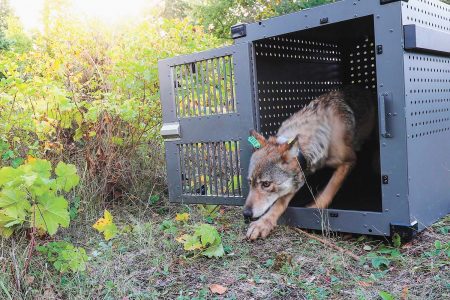
Using computer models to forecast the pack’s future, scientists concluded that the island’s wolves have an 80 percent chance of surviving for the next 20 years. The report tracks the results of the 2018-2019 National Park Service project that brought 19 mainland wolves to the island to control an exploding moose population.
The new data adds critical local context to the 60-year predator-prey research managed by Michigan Technological University experts Rolf Peterson and John Vucetich. While MTU's annual winter study report--co-authored by Peterson and Sarah Hoy--confirmed that the wolf population has climbed to an estimated 37 animals, it also exposed a staggering structural collapse in the island’s food chain.
According to Peterson’s field data, the island's moose population has completely plummeted by 75 percent, dropping from several thousand down to just 524 animals due to a severe combination of winter tick outbreaks and widespread foraging starvation. The collapse means that while the 19 translocated wolves successfully reproduced, the current packs are now facing a rapidly shrinking food supply just as their genetic health begins to degrade from heavy inbreeding.
Biologists discovered that a single, dominant family group brought in from Ontario's Michipicoten Island did the vast majority of the breeding on the island. Because of this, the population growth is actively being driven by one single, highly inbred family line. Biologists warn that while the pack is expanding numerically, because it is coming from a single genetic source, the risk of a future population collapse is actually increasing.
The problem is compounded by a changing winter climate. In the past, wolves could cross temporary ice bridges from Canada to mix with the local pack and bring in fresh genes, but those ice bridges are no longer reliably forming. Additionally, the study notes that tourist behavior has become a problem, with the relocated wolves becoming too comfortable around human campsites, forcing the park to temporarily close some campgrounds this past summer.