
Frostbite and Hypothermia
What you may not know
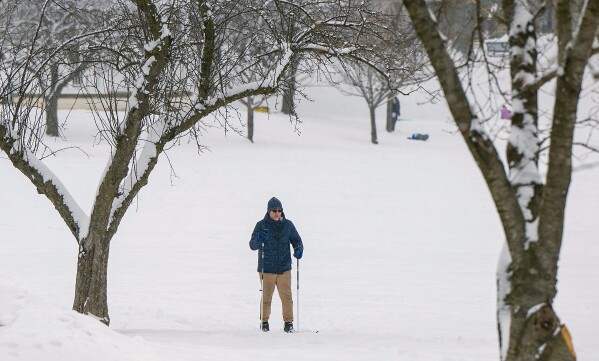
AP File Photo Mark Palmquist skies in Maryland in this 2024 AP file photo.
DULUTH – For many residents of the Upper Midwest, enduring the cold is a normal part of life. Still, emergency departments across the region see cases of frostbite and hypothermia every year. “It often happens when people aren’t expecting it,” shared Dr. Amery Robinson, Emergency Physician at Aspirus Health. “Even if you know how to handle winter conditions, dangers can sneak up on you.”
To raise awareness, here are a few things you may not know about frostbite and hypothermia.
You don’t have to be outside to get hypothermia
“Hypothermia is a reduction in body temperature,” explained Dr. Robinson. Some of the most severe cases he has treated over the past 10 years happened while the person was indoors. “If someone falls in a garage or basement and can’t get up, they lose heat rapidly through contact with the cold floor,” he said. To protect yourself, make sure indoor spaces are adequately heated and that you have a way to call for help if you fall, such as a phone or personal alert device. If you know someone who lives alone, don’t hesitate to check in on them during cold snaps.
Numbness is the first warning sign of frostbite
Frostbite typically affects fingers, toes, ears, or the nose. When the tissues of these extremities lose too much heat, ice crystals begin to form.
“Early warning signs include a lack of sensation,” said Dr. Robinson. “If your fingers or toes start to feel numb, or tingle, those are signs you might be headed toward a cold injury.”
Gently begin rewarming the affected area. If numbness, blisters, severe pain, or discoloration persist, seek medical attention promptly. It’s also important that once you start to warm up, you don’t go back out again and repeat the rewarming cycle. Doing so is dangerous.
A sweet treat can help you warm up
The body generates heat through metabolism, turning food into energy. Sugar and simple carbs are especially useful in the cold because they can be broken down quickly by the body.
This is helpful in the early stages of hypothermia, which Dr. Robinson says can be spotted by the “umbles.” “If you’re stumbling, bumbling, fumbling, mumbling,” he explained, “those are hypothermia warning signs.”
So, if you’re trying to warm up and you have the choice between hot black coffee or a cold soda, pick the soda. This will provide your body with the quick energy it needs to warm you up.
Finally, Dr. Robinson offers this simple guidance for anyone who may be at risk for a cold injury: “Seek shelter, seek glucose, seek dry clothing, seek reliable warmth, and seek help,” he said.
Hypothermia and frostbite are real dangers when you live in a cold climate. However, staying aware and informed is a great first step to take in keeping yourself and your loved ones safe all season long.