
End of life care
November is National Hospice and Palliative Care Month
Trending
HOUGHTON -- End-of-life care can be daunting, but there is help. November is National Hospice and Palliative Care Month. The Keweenaw has many resources for those with a family member facing a terminal diagnosis. Facilities like the Omega House and Aspirus at Home aim to ease the burden of such challenging times.
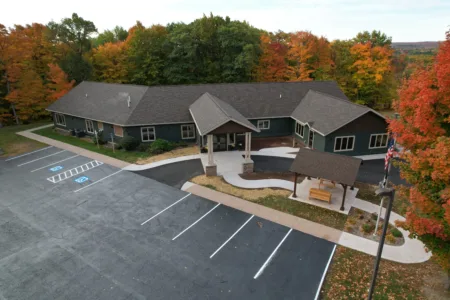
Omega House Executive Director Mike Lutz said physicians work with families in order to make sure patients get the care they need. "A physician has to make that call in order to certify them for a hospice program here," he said.
According to Lutz, Omega House has over 20 staff members to manage symptoms and care for patients around the clock during hospice. "That's kind of what we advocate for... if you've been given a terminal diagnosis, then maybe you'd want to do it in more of a controlled setting where you have 24-hour care and we manage your symptoms," he said. "Doesn't mean you're giving up. It's just another way to live out your final days."
Palliative care, differs from hospice care, as it manages the terminal diagnosis before symptoms worsen. According to an Aspirus press release on hospice and palliative care, Palliative care teams help patients prepare for potential scenarios before a crisis occurs, allowing individuals and families to make informed choices that align with their goals and values.
Registered Nurse Supervisor for Aspirus at Home Health and Hospice Jennifer Phillips said she wishes more people could speak freely and openly about hospice and at-home medical interventions. "It's just a conversation that I don't think it is for anybody to expect that they have to think about hospice or talk about hospice. It's not comfortable," she said. "But it's something we can't avoid. So, it's nice to know your options and to know that there is company out there that will come."
Lutz said there are challenges about hospice care where staff need to be strong and steadfast in their treatment. "I think the challenging part is that you got to have boundaries too," he said. "We see these patients, sometimes they're here for months and we get to know them pretty well. I think the mental aspect of caring for someone who is dying can take a toll on our staff."
Phillips said her staff are like angels walking on Earth. "My staff, hospice is their specialty," she said. "They are very familiar with the process of bodies and when they start shutting down. When things are slowing down, getting ahead of those symptoms: pain, nausea, vomiting, not being able to breathe. What they can do is they implement certain medications or certain interventions."
The intersection between hospice care professionals, families and patients makes end-of-life care one of the most unique in the medical industry. Phillips added one of the most important aspects of hospice care is individualizing care for those involved. "There's no two cases ever alike and some are more challenging than others," she said. "But we do our best to try to help the patient and their family to make this a less stressful time, at least lighten the burden a bit."
For more information about hospice or palliative care in the area, visit aspirus.org/hospice-services or aspirus.org/palliative-care.