
Village addresses flooding concerns
Council targets north end, approves bid for ditch
Trending
CALUMET -- At the regular Aug. meeting last Tues. the Village Council approved a bid from Paul Heikell, of Heikell, LLC for the digging of a ditch on Spruce Street.
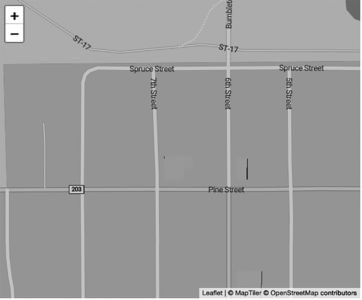
The ditch is necessary to channel spring runoff in the area that is impacting residents between Sixth and Eighth Streets. The vicinity of Spruce Street, where the flooding occurs, was jokingly referred to as "Spruce Lake."
Rob Tarvis, village president, said the flooding is in relation to the DNR having done repair work to the Hancock-Calumet trail.
"There's been an issue (from) when they moved the DNR trail," he said during the meeting.
The problem Seems to have started when the Department of Natural Resources conducted repairs on section of ST-17 recreational trail in the Spruce Street area after flooding occurred in June, 2018.
According to an Oct. 2018 release from the DNR, their staff members estimated at least 15 washouts considered "massive," meaning they are more than 30 feet deep and were estimated to cost $550,000 or more to fix. The release stated that the The Hancock to Calumet Route (Jack Stevens ST-17) was open with local reroutes.
The trail adjacent to the north side of Spruce Street was built up, said Trustee Ken Olkkanen, and sheds water off of both sides, and culvert was installed adjacent to a bridge, but one side of the trail is higher than the other. The low spot is there and it sheds downhill.
Tarvis said the DNR supposedly repaired what was within their right-of-way, which included sub-ditching to ensure that water flows through that culvert.
Village President Rob Tarvis said the DNR supposedly fixed what is in their right-of-way.
Sub-ditching to make sure water flows through that culvert.
Tarvis said that while fill had been placed in that area from Elm Street in approximately 2016, that is not a contributing factor.
"…that cannot be blamed for the flooding, because it was there for two years before the flooding started," said Tarvis. "The flooding did not start until they moved the trail."
The estimate submitted by Heikell stated the work was not to exceed $1,000, which Trustee Pam Que said was very reasonable.
Trustee Andrew Ranville questioned the estimate which in the end, was approved by unanimous vote.
"It is what it is,We need that trail," said Tarvis, "it's good for the economy."