
Staying away
Parasitic illness ravaging state but not UP
Trending
HANCOCK -- A parasitic illness that has infected more than 3,300 Michigan residents is making its way through county after county in the Lower Peninsula. Cyclosporiasis is a food and waterborne parasite which attaches to the small intestine and causes diarrhea.
Western U.P. Health Department Medical Director Dr. Robert Van Howe, said the Cyclosporiasis outbreak has not made it to the U.P. "It's not here and hopefully it never gets here," Van Howe said. "I think we're going to keep our powder dry until we start seeing it in the area."
According to the Centers for Disease Control and Prevention's webpage about Cyclosporiasis, the illness can be contracted more than once and usually infects those who consume contaminated food or water.
Van Howe said the region tests for the Cyclospora parasite -- which causes Cyclosporiasis --in its wastewater.
"There was a case reported in Houghton about two and a half weeks ago, but that [person] got it the old-fashioned way by visiting Mexico," he said. "They didn't get it through this outbreak, because that's the only one I know."
The CDC website said the Cyclospora parasite spreads through contaminated stool. It is not likely to transmit person-to-person because it takes one to two weeks to become infectious after passing through a bowel movement. Tropical climates commonly contain the parasite.
If someone has Cyclosporiasis, the best thing to do is contact your doctor. Van Howe said other, more highly-contagious food borne illnesses are still common and are tested for in wastewater.
"We're still seeing Norovirus in our wastewater and recently in some of our long-term healthcare facilities," he said. "So that can give you very similar symptoms... we recommend people get tested."
Van Howe said the best way one can prevent getting the parasite is to wash your fresh produce and cook it, rather than consuming it raw.
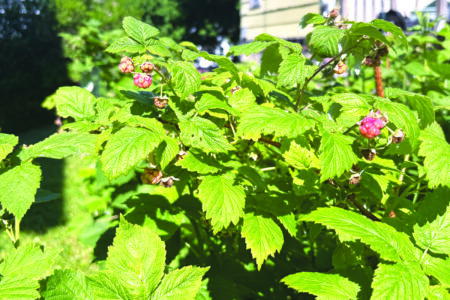
"There are certain foods that were identified in the state announcements. Things in the past that have caused Cyclospora outbreaks include cilantro, lettuce, tomatoes and raspberries," he said. "But if you know where your raspberries came from, you know, some of the local raspberry patches, I don't think you need to worry about Cyclospora.