A matter of precedent
SCOTUS ruling has local impact
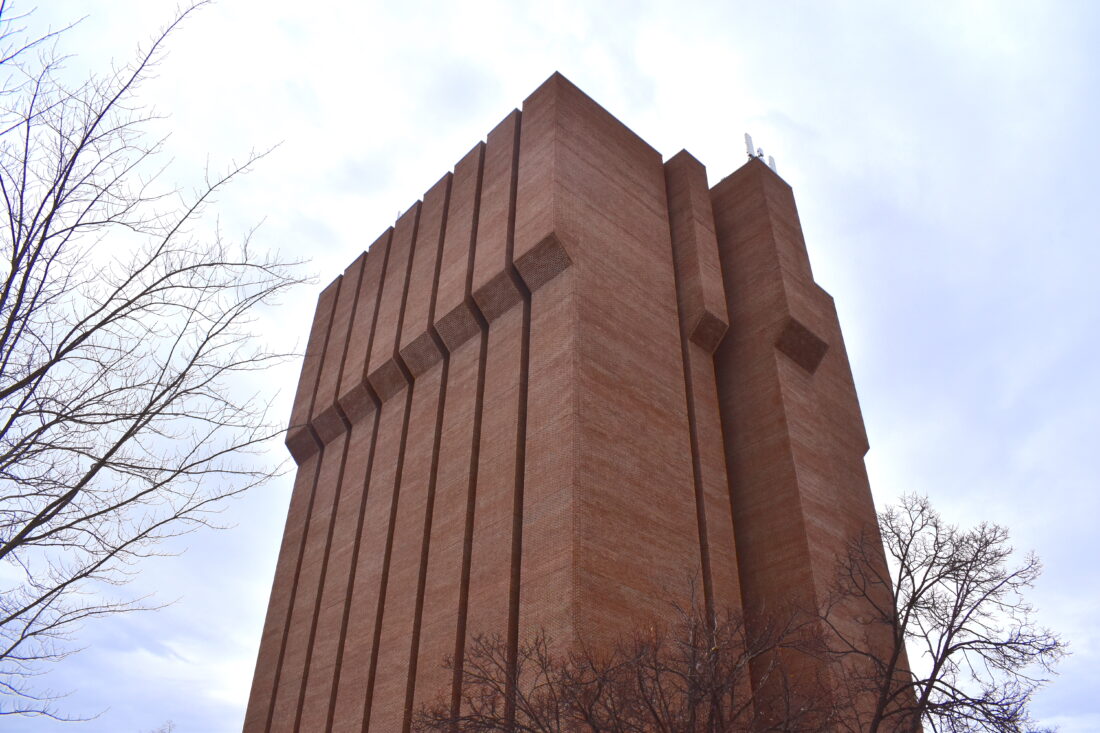
Chelsea Bossert/Daily Mining Gazette The R. L. Smith Building (MEEM) is just one of the many hubs for Michigan Tech’s engineering students to gather and learn.
HOUGHTON — The U.S. Supreme Court on Tuesday handed down a landmark decision which upholds so-called Birthright Citizenship. On the day he was sworn into office in 2025, President Donald Trump issued Executive Order 14160 –Protecting the Meaning and Value of American Citizenship. Reversing the long-standing 14th amendment which set a legal precedent and fueled the court case which led to the decision. The Fourteenth Amendment grants citizenship to all persons born or naturalized in the United States and protects their rights under the law.
Michigan Technological University was home to 638 international students, according to Michigan Tech’s figures from the 2025-2026 academic year. As the Trump administration and high-ranking Republicans deal with the fallout from this decision, international students’ children born in the U.S. are still guaranteed rights under the Constitution. In other words, any children born in Houghton to international students, faculty or staff are, by law, U.S. citizens.
According to the Open Doors 2025 Report on International Educational Exchange, 1.2 million international students were enrolled in colleges and universities across the country, making up six percent of U.S. higher education.
The Trump administration has been a critic of Birthright Citizenship for the entirety of the 47th President’s time in office. Several top Trump officials and cabinet members — including Vice President JD Vance and White House adviser Stephen Miller — spoke out against the long-standing legal precedent.
Birth Tourism, which refers to pregnant women traveling to the U.S. to have their children born on American soil and thus be U.S. citizens, has been repeated by the Trump Administration as a problem facing the country’s national security.
A report by the Senate Committee on Homeland Security and Governmental Affairs defined it in 2022.
“While birthright citizenship has many undeniable benefits, it also enabled a troubling and unintentional phenomenon known as ‘birth tourism,'” it reads. “Birth tourism describes the practice by which expecting parents travel to the United States to give birth and secure U.S. citizenship for their children.”
Three justices dissented from the court’s majority opinion: Justice Samuel Alito, Justice Neil Gorsuch and Justice Clarence Thomas. Thomas wrote the main dissent and argued the Citizenship Clause was originally written to help freed slaves become citizens, not illegal immigrants’ children born on U.S. soil.
Michigan Attorney General Dana Nessel spoke out against the Trump Administration’s interpretation of the constitutional provision. She issued a statement on the day of the ruling.
“Birthright citizenship is at the heart of our American story, ensuring that every person born on U.S. soil is entitled to equal protection under the law,” Nessel said. “By joining with every court to have ever considered this policy, the Supreme Court has cemented a historic reality: birthright citizenship is a basic right, and no president is above the law.”
The implications with this ruling make it so anyone who have children on U.S. soil have their children guaranteed as citizens, including international students or couples.
Michigan Tech declined to comment regarding this story.
Front Page

Rallying support
A matter of precedent
No paper Saturday
Note to readers Due to the July Fourth holiday, there will be no print edition on of the Daily Mining Gazette ...
Congressional candidate visits Keweenaw

Campground on Isle Royale temporarily closed